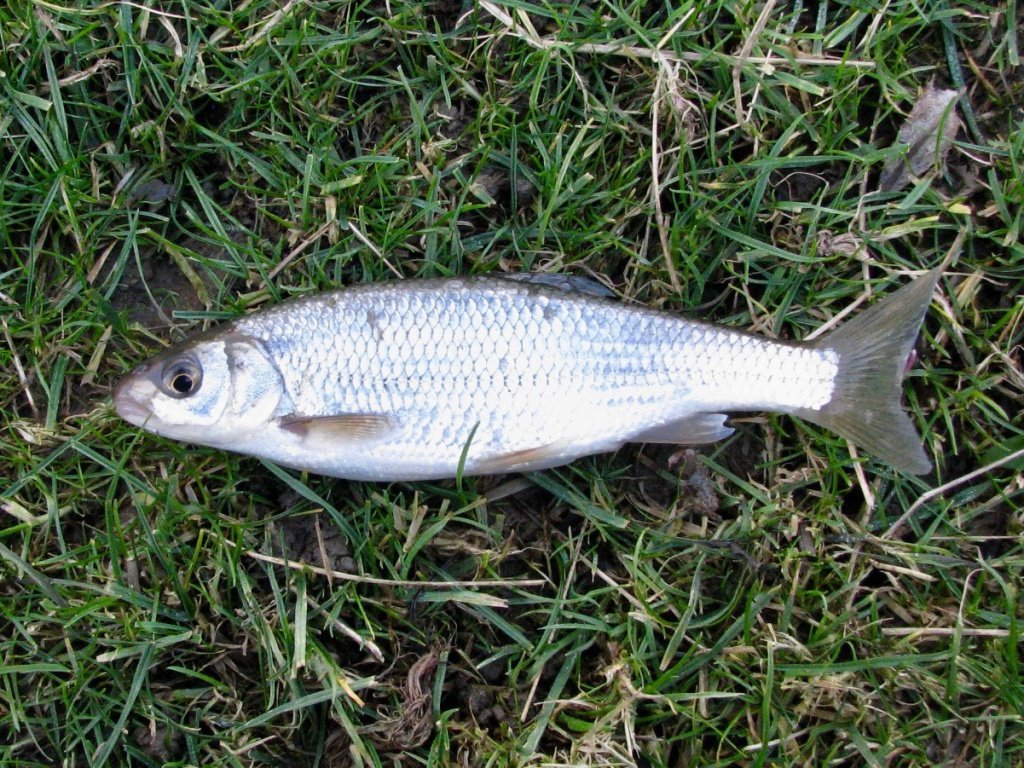
Introduction to Dace in Ireland
Dace (Leuciscus leuciscus) is a freshwater fish species native to most of Europe and Siberia, but not indigenous to Ireland. Their introduction to Ireland dates back to 1889 when anglers from England introduced them as live bait to the Munster Blackwater River.
Spread and Distribution
Following their introduction, dace have expanded their presence to several other river systems across Ireland, including the Barrow, Nore, Suir, and Shannon catchments.
Ecological Impact
Dace have become an invasive species in Ireland due to their rapid growth and high reproductive rates. They compete with native species, such as brown trout and salmon, for food and habitat, particularly affecting the breeding success of salmon by competing for well-oxygenated gravel spawning sites.
Physical Characteristics
Dace are slim, silvery fish with yellow eyes, distinguishing them from roach, which have red eyes. They possess a concave-edged dorsal fin and anal fin. Dace inhabit fast-flowing, clean waters, especially in the middle to lower reaches of rivers, and feed on insects, crustaceans, algae, and aquatic plants.
Angling Information
Dace are known for their shoaling behaviour, making them a popular target for coarse anglers. They can be caught using float fishing techniques with baits such as maggots, casters, bread, and a variety of groundbaits. The best times to fish for dace are typically from March to October, with peak activity in April and May.
Conclusion
The introduction of dace to Ireland has led to significant ecological changes and presented new opportunities for anglers. Understanding their impact and characteristics is essential for managing this species within Irish waters.
Related on Angling Ireland