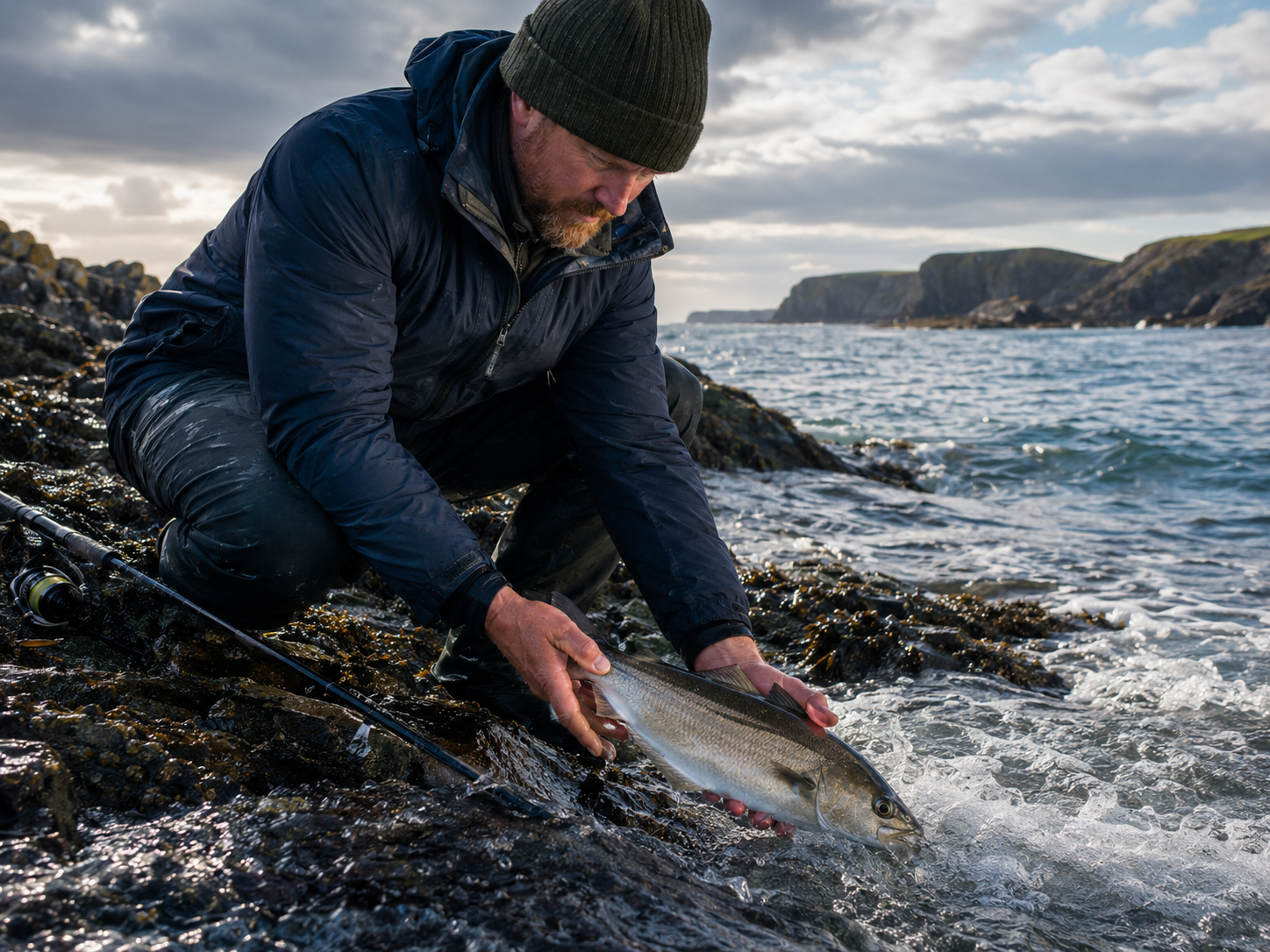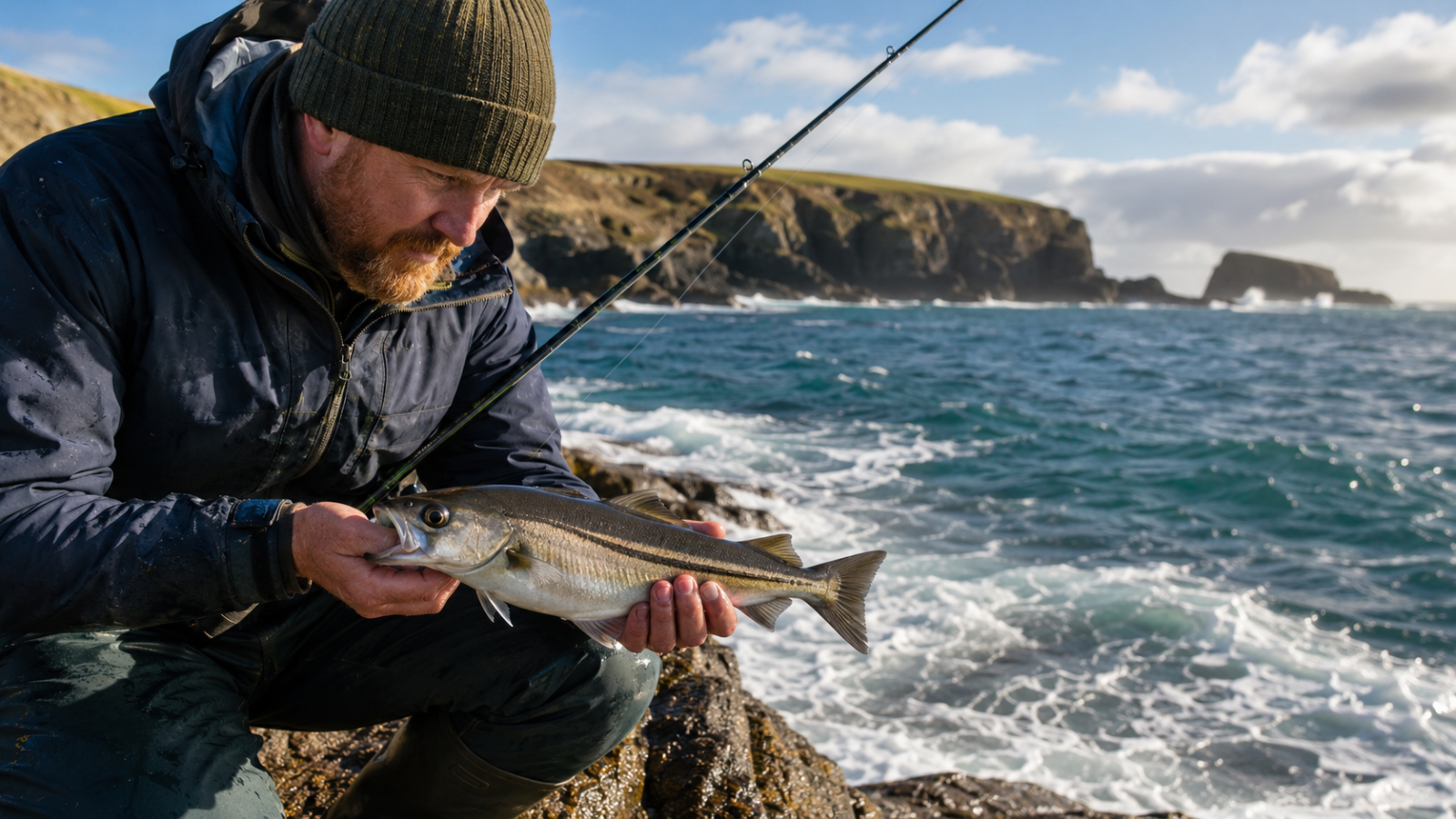
Imagine standing on the rugged cliffs of Wexford, the salty breeze ruffling your hair as the sun glimmers off the waves below. You've got your gear ready, the thrill of the chase in your veins, and the unmistakable hope of hooking into a feisty pollack. But, as of June 1, 2026, the landscape of pollack fishing in Ireland has shifted with new conservation measures that every angler needs to embrace.
Understanding the New Measures
The introduction of the Pollack Fishing Conservation Bye-Law (No. 1028 of 2026) is not just a bureaucratic formality; it's a lifeline for the sustainability of pollack stocks, which have been facing pressures in the Celtic Seas. The bye-law stipulates a daily bag limit of three pollack per angler. Once this limit is met, any additional catches must be released. These measures are not arbitrary; they stem from scientific assessments from the International Council for the Exploration of the Sea (ICES), which indicated that pollack populations are at concerningly low levels.
Where to Hook a Pollack
For those lucky enough to fish along the stunning Wexford Coast or the bountiful waters of Galway Bay, the thrill of catching a pollack is still very much alive. These locations are renowned for their productive reefs and wrecks, offering prime habitat for pollack. The dark lateral line of the fish and its powerful, deep dives when hooked make every catch an exhilarating battle.
**Wexford Coast**: Here, the intermingling of rocky outcrops and sandy bays creates a diverse ecosystem that attracts pollack. Consider fishing near the rocky points at Hook Head—it's a hotspot for both seasoned anglers and newcomers eager to test their skills.
**Galway Bay**: With its expansive waters and rich marine life, Galway Bay offers excellent opportunities. Head to the deeper waters off the Aran Islands, where pollack are known to thrive.
Anglers' Role in Conservation
As anglers, we hold a pivotal role in supporting the health of our waters. Many in the community are already championing sustainability by practising catch and release and participating in initiatives like the Irish Marine Recreational Fishing Survey (IMREC). These efforts not only help conserve stocks but also contribute valuable data to ongoing research, ensuring that future generations can enjoy the thrill of pollack fishing.
The Future of Pollack Fishing
The newly implemented bye-law represents an important step towards a sustainable future for pollack fishing. Research from the Marine Institute continues to shed light on the stock structure of pollack in Irish waters, investigating the differences between inshore and offshore populations. This knowledge is vital for crafting effective conservation strategies.
So, as you plan your next fishing adventure, remember that each cast is part of a larger story—one where your passion for fishing intersects with the urgent need for marine conservation. Embrace these new measures, adapt your strategies, and together we can help ensure that the waters remain rich with pollack for generations to come. After all, the call of the ocean is not just about the thrill of the catch; it’s about safeguarding the delicate balance of our marine ecosystems.
Related on Angling Ireland